


Have you ever wondered why we treat historic buildings like museums instead of active parts of our daily lives? We discussed this very question with Filippo Perissinotto, the founder of Culture Studio and Art Events. Having spent about two decades managing high-profile art projects in historic venues across Italy, Filippo shares the inner workings of his company and reveals how he successfully bridges the gap between preservation and contemporary creation.
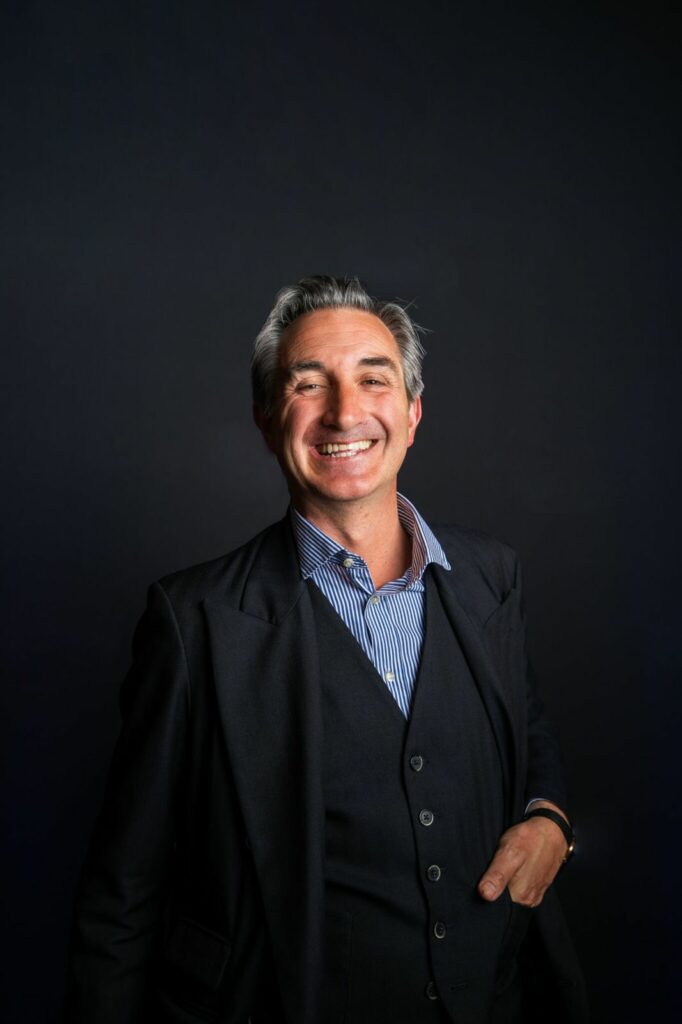
Your work is split between two pillars: Art Events and Culture Studio. To help our audience better understand your ecosystem, how exactly do historical real estate consulting and contemporary cultural production fuel each other? What is the core operational engine that connects these two worlds?
Culture Studio and Art Events are two sides of the same vision. Culture Studio focuses on the enhancement and management of historic real estate, while Art Events develops exhibitions, cultural programmes, and events within those spaces.
The connection is simple: for years, I saw remarkable historic buildings struggling to remain active and economically sustainable, while many cultural projects lacked venues with identity and character. We created a model that addresses both needs. Through Culture Studio, we help historic properties unlock their potential; through Art Events, we bring them to life through culture.
At its core, our work is driven by the belief that heritage buildings should not be preserved as static places, but activated as living spaces where culture, community, and contemporary creativity can thrive.
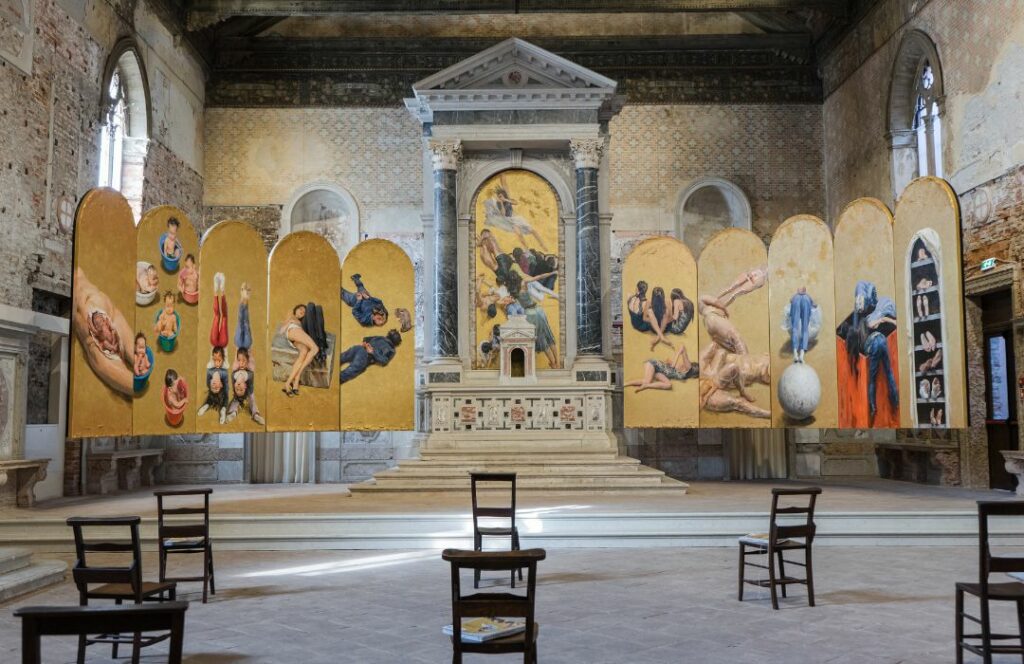
There is always an aura of mystery around how historic spaces are activated for high-profile events. We always wonder about the backstage mechanics: do you purchase these properties, lease them, or form long-term structural partnerships? Could you demystify your property management model and explain how you secure exclusive access to protected architectural gems in Venice and Milan?
We rarely see ourselves as venue operators in the traditional sense. We are long-term partners to the owners of historic properties. Rather than acquiring buildings, we typically manage them through long-term agreements that allow us to care for the space while activating it through exhibitions, events, and cultural programmes.
Our dual role as both property managers and cultural producers is what makes the model work. We understand the building itself, but also the needs of the brands, institutions, and organisations that use it.
The challenge is always to balance preservation and contemporary use. By respecting the identity of each property while finding new ways for it to remain active and sustainable, we have built lasting relationships with owners and gained access to some of the most remarkable historic spaces in Venice and Milan.
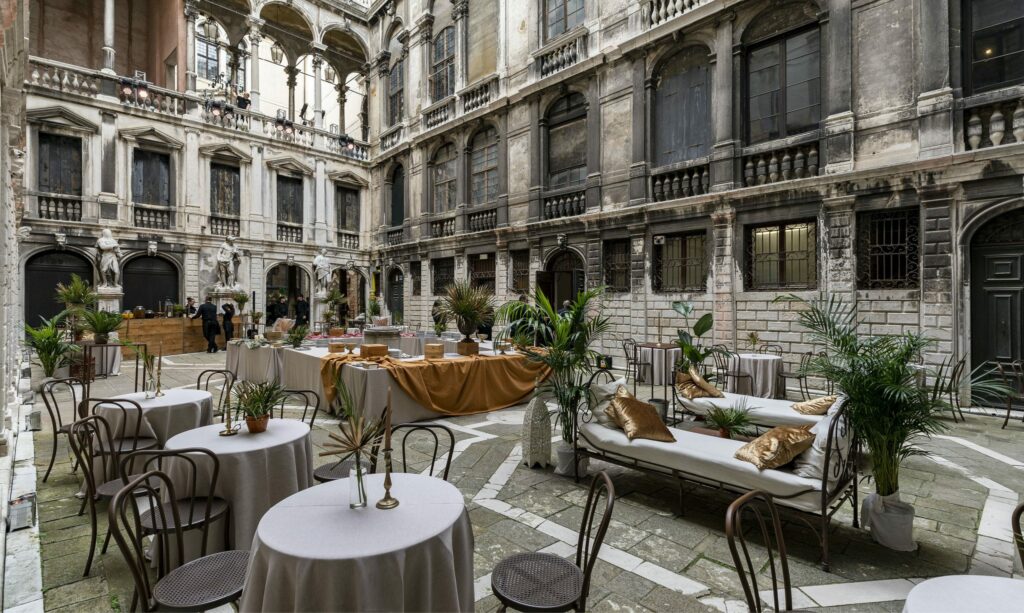
Maybe it’s a very inappropriate question for an Italian, but how did your own relationship with art begin? What was the precise moment you realized that a historic monument shouldn’t be merely a museum, but rather have a more active role?
Before becoming an entrepreneur, I spent many years working in financial real estate and restoration companies, dealing with museums, churches, historic buildings, theatres, and cultural heritage in general.
Those experiences taught me the importance of preservation, but they also made me aware of a recurring problem. Too often, there seemed to be a wall between safeguarding heritage and giving it an active role in contemporary life.
I came to believe that protecting a monument is only part of the responsibility. Historic places also need to be lived in, experienced, and made economically sustainable if they are to survive in the long term. That was probably the moment when my perspective changed.
Since then, I have always tried to see heritage not only as something to preserve, but as something capable of generating culture, encounters, and new opportunities. For me, conservation and activation are two sides of the same process.
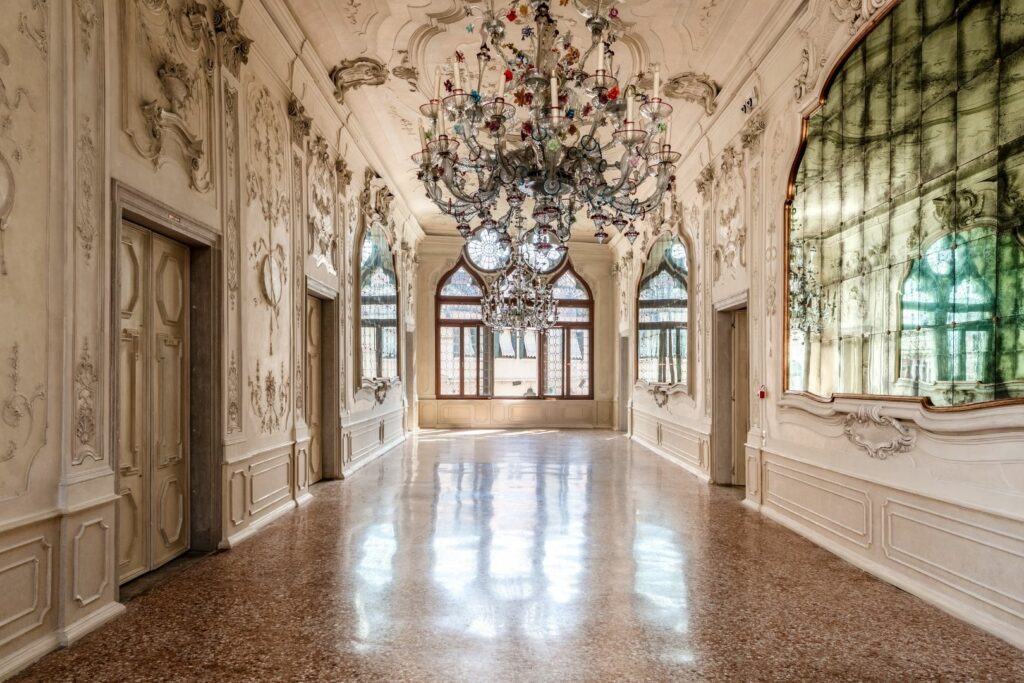
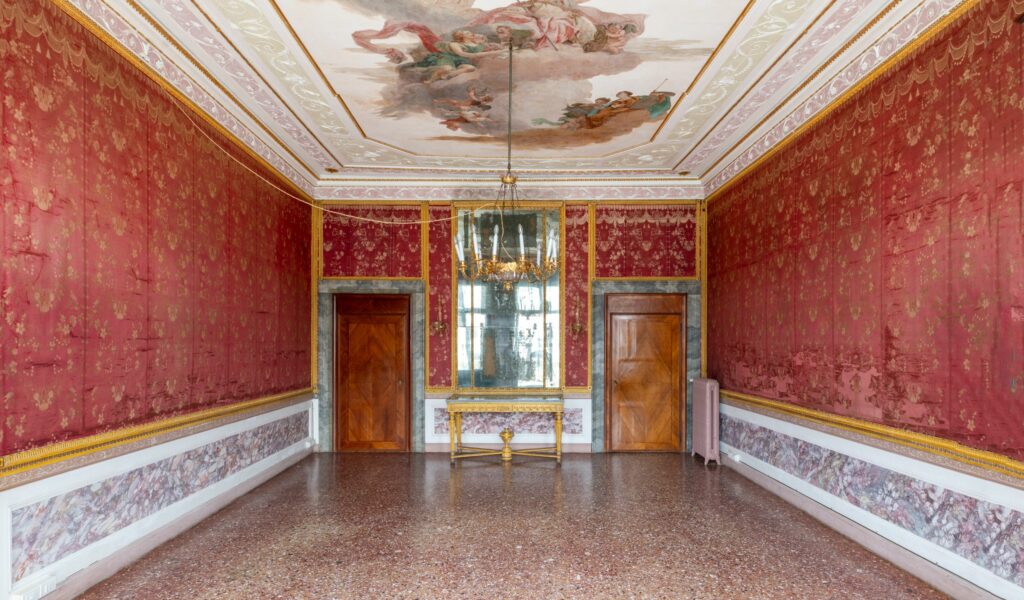
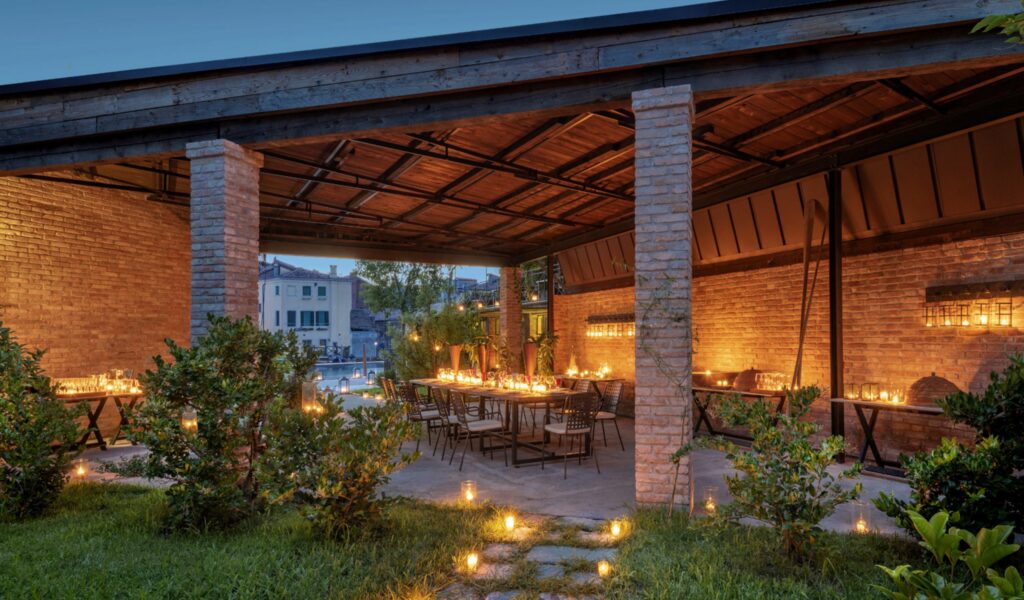
Looking back, you have been building this ecosystem for many years now. Could you take us back to your very first project? What was it like, and how does it differ from the international operations you run today?
Although my previous career as a manager had already shown me the importance of preserving heritage, managing historic properties, and making them economically sustainable, I had also come to realize how difficult it was to create a dialogue between these different worlds. At the time, the mindset of many owners of historic properties – even private owners – was often quite closed to new possibilities.
In fact, some of our first management projects nearly twenty years ago were both tragic and comical. One of the first involved a beautiful international cultural project in a magnificent historic property in the centre of Milan that had been closed for generations. The management lasted only a few weeks because of a sudden dispute within the family that owned the building. Until then, the property had been at risk of deterioration and generated no income at all. Yet as soon as we reopened it and brought it back to life, every family member suddenly became interested in it. Similar situations occurred with properties in Florence and Rome.
At the same time, in the early 2000s, we were involved in some of the first major Biennale collateral projects outside the traditional Arsenale venues. In several cases, these took place in buildings that were awaiting restoration, with all the fascination of spaces that felt unexpected and untouched.
One project I remember particularly well was our first year at the Scuola Grande della Misericordia in Venice, where we developed four different cultural projects. At the time, it was among the earliest examples in Italy of applying a project-financing approach to cultural heritage.
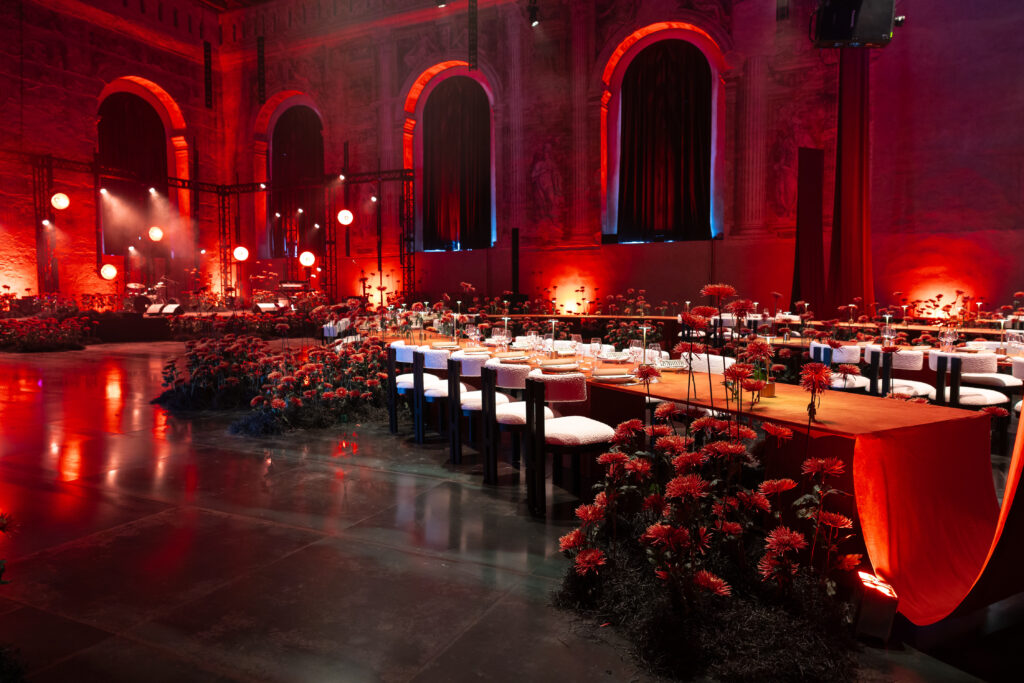
Managing these projects involved many complexities, especially in terms of relationships and coordination between different stakeholders. Yet those challenges only strengthened my conviction that there was a real need to explore and develop this profession further.
Over the past twenty years, the sector has become much more structured and professionalized, although fortunately it has never become truly “standardized”. Each project remains bespoke, with its own challenges, ambitions, and identity.
This evolution is particularly evident in Venice, both within the Biennale ecosystem and in the many initiatives that take place alongside it, including the growing presence of corporate pavilions and independent cultural programmes. We have also seen an increasing dialogue between cultural institutions and brands from the fashion, jewellery, beauty, and design sectors, through projects hosted in our venues in Venice, Milan, and Florence.
Art Events has followed 20 projects on occasion of the Venice Biennale this year, from national pavilions and collateral events to independent initiatives, from the project by Anish Kapoor Foundation to the Vietnam National Pavilion at Ca’ Faccanon. What does this process actually look like? What are the most complicated and, on the other hand, satisfying parts?
The work behind the scenes is often more complex than it appears. Each project brings us into contact with a wide range of people and institutions: artists, curators, foundations, public authorities, technicians, and local organizations.
The challenge lies in bringing together different perspectives, expectations, and working methods, while preserving a sense of coherence and shared purpose. The greatest reward is seeing these encounters generate something meaningful, not only in the form of an exhibition, but also through the relationships that emerge from it.
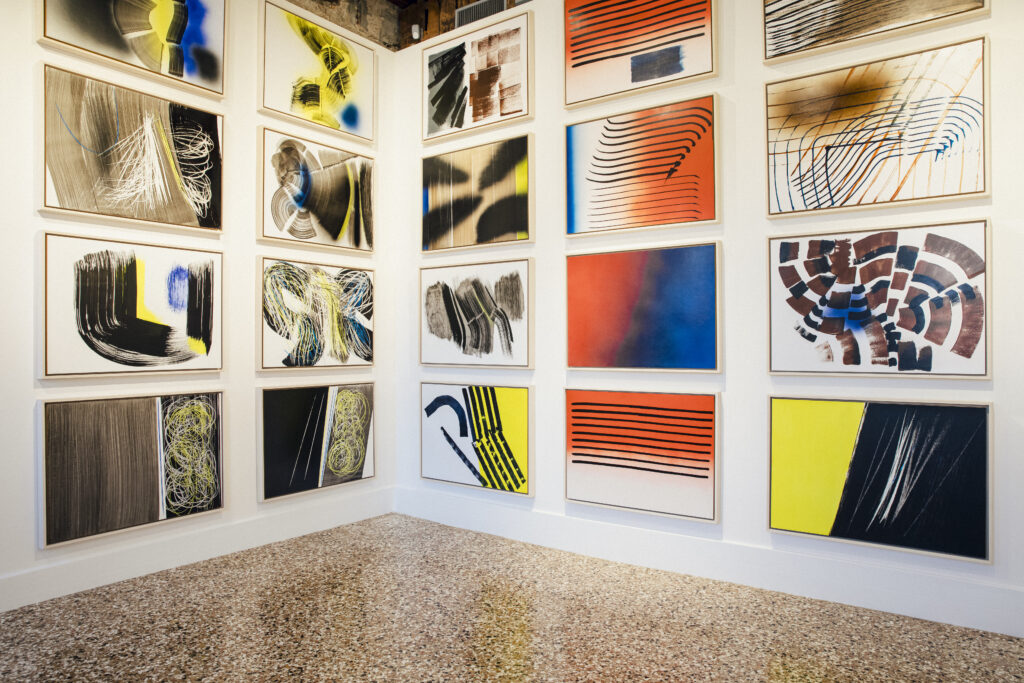
Our ambition has always been to contribute to Venice as a living cultural laboratory, where ideas, people, and institutions can meet and continue their dialogue over time. It is particularly gratifying to see many of the organizations we have worked with return to Venice in subsequent years, while our ties with the city’s cultural and institutional fabric grow stronger. In many ways, these lasting relationships are as important as the projects themselves
What are your favorite cultural projects from this year?
It is always difficult to single out a favourite project, because for us each one represents a different encounter and a different story.
What has made this year particularly rewarding is the diversity of the realities we have worked with. We have collaborated with internationally renowned institutions such as the Starak Foundation and Lisson Gallery, as well as with local organizations such as Fondazione Querini Stampalia, whose contribution to Venice’s cultural life we greatly admire and regard as a valuable point of reference for the city.
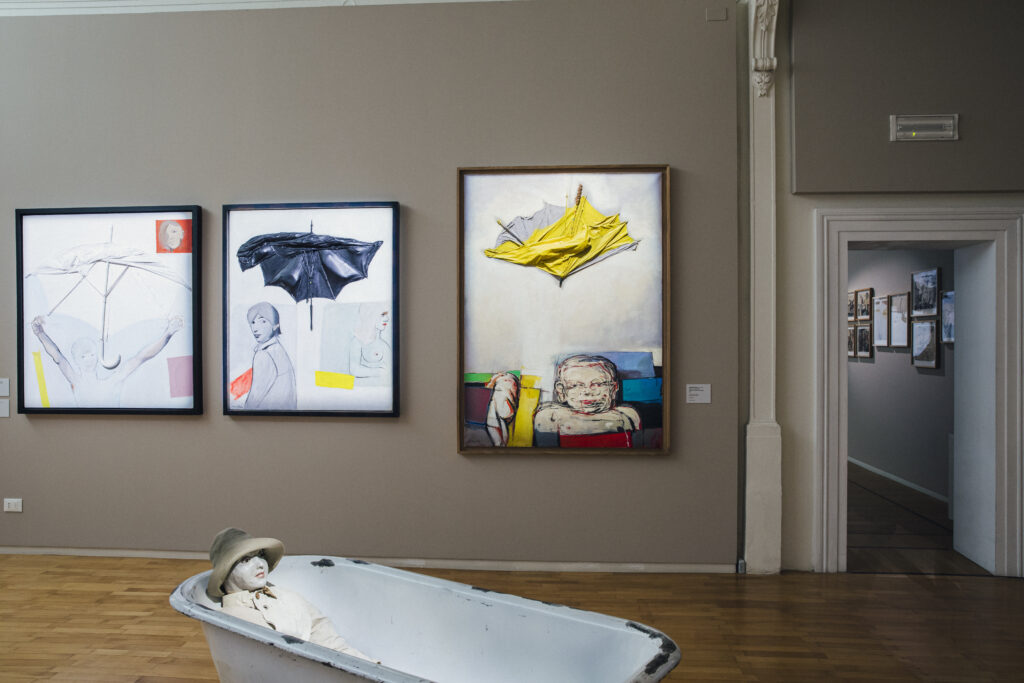
At the same time, we have continued to work alongside national representations that contribute important and distinctive perspectives to the Biennale, often operating outside the framework of permanent national pavilions. Supporting these projects and helping them establish a meaningful presence in Venice is an aspect of our work that we find particularly valuable.
This year, we had the pleasure of working with the pavilions of Panama, Scotland, Wales, and Zimbabwe, while also continuing our relationships with countries such as Armenia and Montenegro. Each project brings its own cultural references, ambitions, and way of engaging with contemporary issues. Rather than choosing a favourite, I would say that our greatest satisfaction lies in accompanying such a diverse range of voices and helping create the conditions for meaningful cultural exchange.
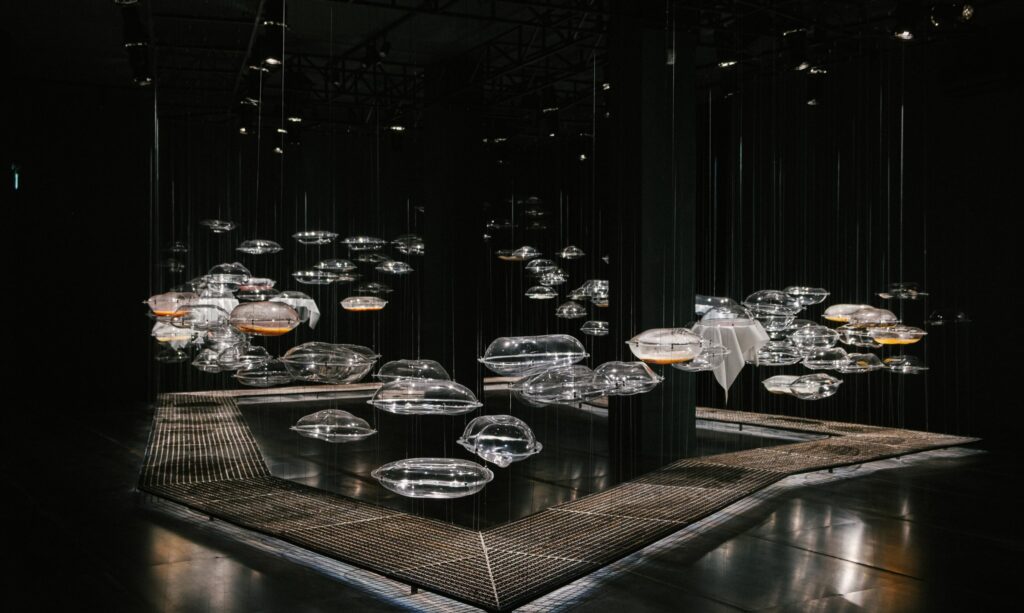
In Milan and Venice, you seamlessly transition from institutional art to commercial giants like Bulgari, Cartier, and Chanel. How do you balance a luxury brand’s intense desire for modern branding with the strict conservation laws of historic spaces?
Our approach is simple: we never try to merely adapt a historic space to a project, but to find the project that naturally belongs in that space.
Every property has its own identity, and preserving that identity is essential. Since we manage a diverse portfolio of venues, we have the flexibility to match each project with the environment that best reflects its values and character.
Fortunately, this dialogue has become more natural over time. Today’s leading brands, particularly in the luxury sector, are not focused solely on commercial visibility. They increasingly engage with themes such as craftsmanship, cultural heritage, landscape, sustainability, and contemporary creativity.
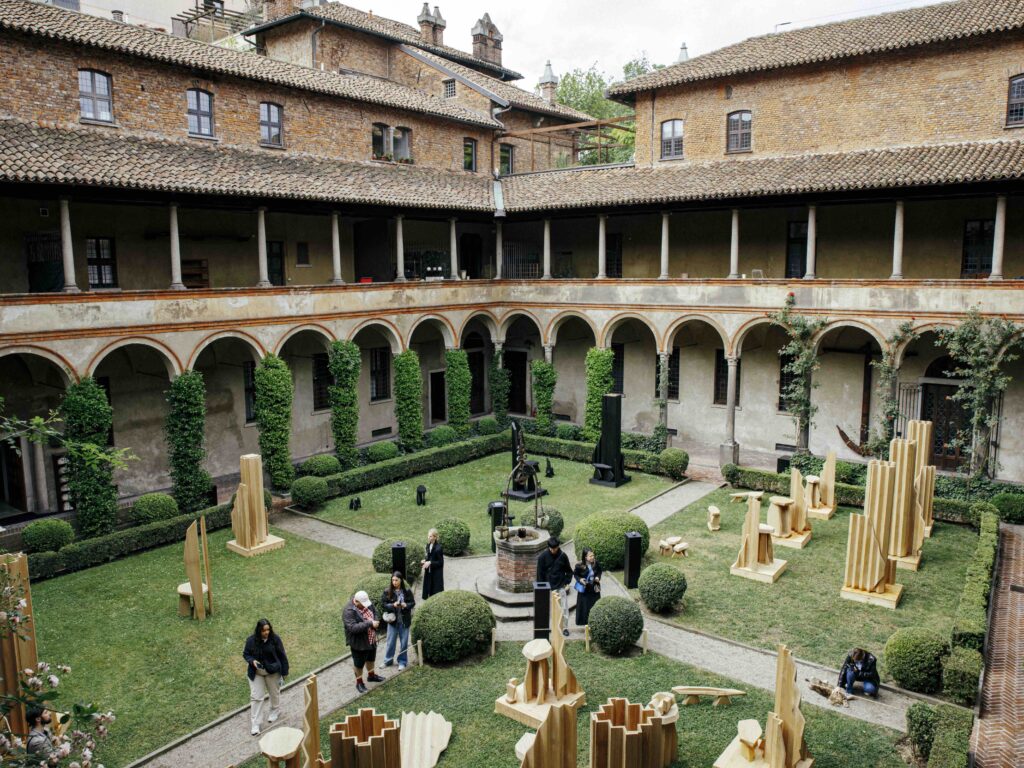
In this context, historic buildings are more than event venues; they become part of the narrative itself. When the values of a brand and the spirit of a place are aligned, the result feels natural and authentic.
We saw this clearly during this year’s Milan Design Week. At Garden Senato, our Milan headquarters, Molteni&C presented Responsive Nature, transforming the venue into a true “garden within a garden” and creating a natural dialogue between architecture, landscape, and design. At the Chiostro Cappuccio, Byredo’s installation In Conversation With, developed with designer Jean-Guillaume Mathiaut, turned the historic cloister into a space for contemplation, memory, and sensory experience, where the character of the venue became an integral part of the project itself.
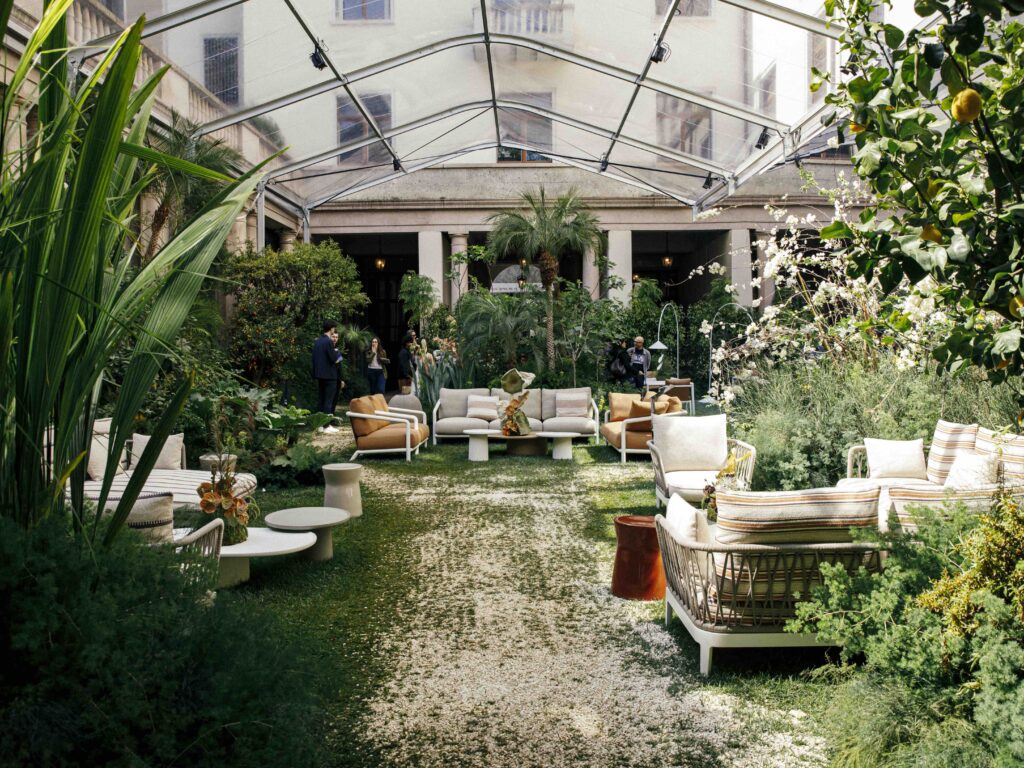
Both projects were excellent examples of what we seek to achieve: a genuine harmony between “container” and “content”, between the identity of a place and the vision of the brand inhabiting it. Our role is not to force that relationship, but to recognize it and help it emerge naturally.
At the end of this year, you are launching Ars Culture – an artist residency program. In a globalized art market that often feels transactional and exhausting, what kind of community are you trying to build with this new chapter? Who is the ideal resident in the world of Filippo Perissinotto?
Ars Culture Residencies was conceived as a network of residencies located in places of exceptional historical, artistic, and landscape value, including Venice, Bellagio, and Tuscany, with future developments also planned in Paris. The project stems from a simple conviction: that certain places possess a unique ability to inspire reflection, creativity, and meaningful cultural exchange.
Our ambition is not only to offer time and space for artistic production, but also to provide a structured environment in which artists can develop their work through dialogue with curators, institutions, collectors, and other cultural professionals. Each residency is conceived as part of a broader ecosystem, capable of creating connections and opportunities that extend beyond the residency period itself. The ideal resident is not defined by seniority or reputation. It may be an established artist seeking a new context for research, an emerging talent looking to refine their practice, or someone beginning a serious artistic path. What matters most is a willingness to engage – with the place, with others, and with ideas. We believe the most interesting creative journeys often begin precisely from these encounters.