

From April 15 to 25, 2026, Milan will host the third edition of MEGA Art Fair within the walls of the former perfume factory Spazio Profumo. Founded in 2023, it has rapidly evolved beyond the status of a “typical market” to become a nomadic curatorial project that is reshaping the landscape of Milano Art Week.
Sofiya Kim spoke with one of the founders of MEGA, international art advisor and expert Mattia Pozzoni, about how to turn an art fair into a living ecosystem and why, in the world of contemporary art, “more” means “deeper.”
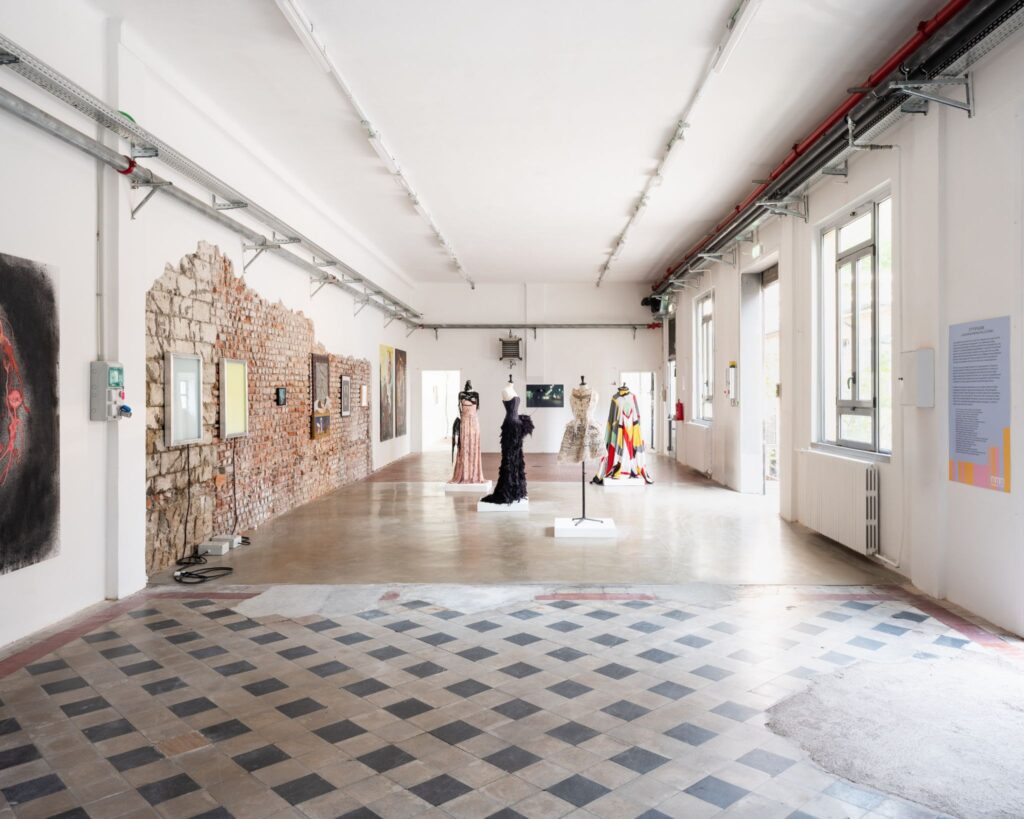
Photo: Mega Art Press Service
The origin
MEGA is now in its third edition, it is described as a nomadic contemporary art fair and a living ecosystem rather than a traditional market. How do you define it?
MEGA was conceived as more than a marketplace. From the beginning, together with Marta Orsola and Mauro, we envisioned a platform where commerce, curatorial vision, and community could coexist. Its nomadic nature keeps it responsive and dynamic, allowing each edition to evolve in dialogue with its context. Rather than a format to be replicated, MEGA is a living ecosystem that reflects the energy of Milan’s contemporary art scene.
Was there a specific moment — a fair you walked through, a conversation, a space — that made you think this is what it should feel like, and that something like MEGA needed to exist?
Not a single moment, but an accumulation of experiences. Walking through international art fairs, I often felt they were highly efficient commercially but predictable and self-referential. MEGA was born from the desire to retain the integrity of the market while creating a more open, generous, and human-centered experience.
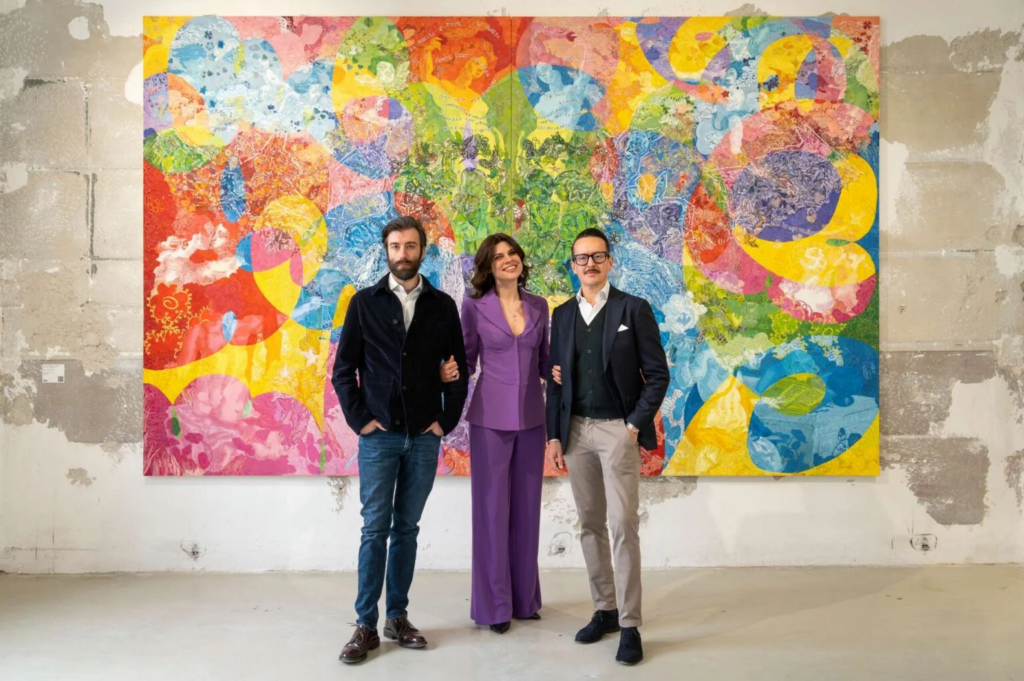
Photo: ArteIN
The city
You once described Paris as a place where art and everyday life are inseparable. Is MEGA an attempt to bring Milan closer to that model?
In part, yes. Paris integrates art into daily life with remarkable ease. Milan has a different energy—entrepreneurial, curious, and forward-looking. MEGA aims to make contemporary art feel more accessible and organic within the city, encouraging engagement beyond traditional art-world boundaries.
How do you see Milan today as an art ecosystem, and what is still missing?
Milan has grown tremendously over the past decade, gaining international credibility and fostering new institutions and initiatives. What it still needs is greater cohesion and a willingness to take risks. The city has the potential to define its own cultural model, and MEGA contributes to that evolving narrative.
MEGA seems to be reaching toward an audience that doesn’t necessarily move in traditional art world circles, with free admission, late-night openings, and a format that feels quite open. Who is the visitor you had in mind when you started, and has that picture shifted over three editions?
From the outset, we envisioned a plural audience—collectors, professionals, and curious newcomers alike. Free entry, late openings, and an open format are deliberate choices rather than logistical details. Opening throughout Design Week also creates new synergies and opportunities, expanding our reach to an international and cross-disciplinary audience. Over three editions, this vision has proven accurate: MEGA thrives on diversity and exchange.
The space as a concept
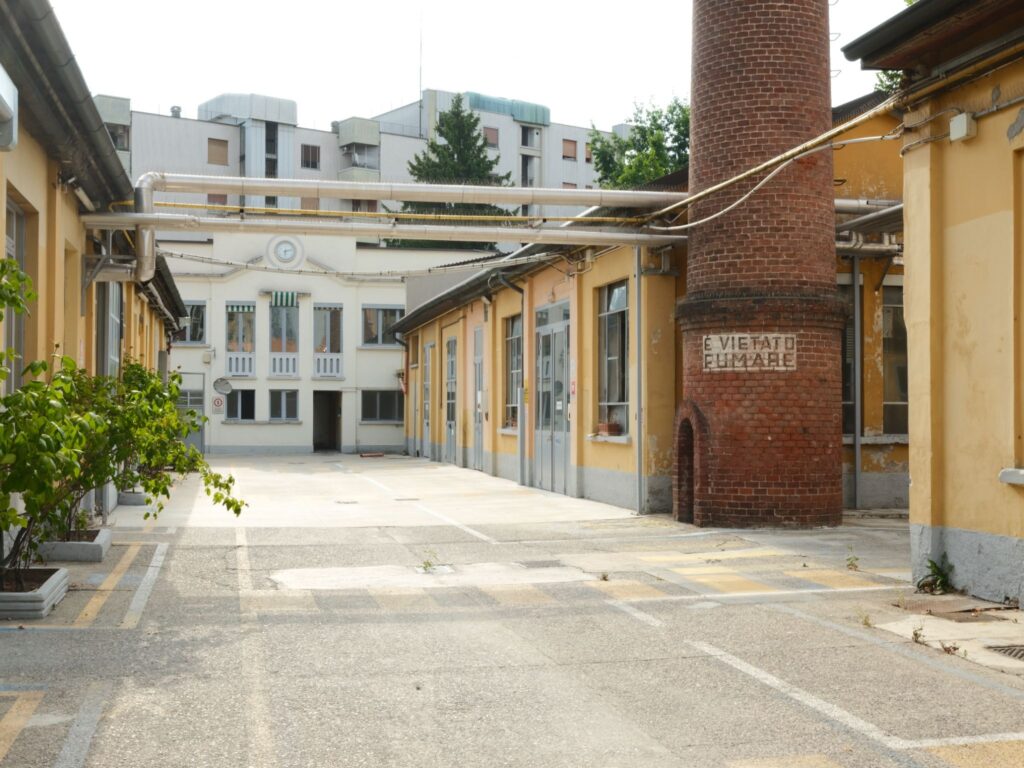
Photo: Mega Art Press Service
Every year MEGA takes over an industrial space with its own distinct history. Do you choose the space and then build the concept around it, or does the concept come first?
It is always a dialogue, but the space often comes first. We treat it as an active protagonist rather than a neutral container. At Spazio Profumo, the former perfume factory naturally inspired a layered and sensory narrative, allowing the history of the site to inform the curatorial vision.
The main section this year is City of Glass, inspired by Paul Auster, treating the city as a living organism layered with memory and shifting identities. That sounds closer to a conceptual exhibition than a commercial fair. Where do you draw the line between those two things?
Today, that boundary is increasingly fluid. With City of Glass, inspired by Paul Auster, we present a dialogue between collections, once again aiming to foster a sense of community. The project brings the collector back to the center of the village—not merely as a buyer, but as a protagonist of the fair through their works, much like galleries through their artists. It features important lenders such as Collezione Maramotti, Fondazione Iannaccone, and the Camera della Moda Fashion Trust, among others, reinforcing the cultural and relational dimension of the fair.
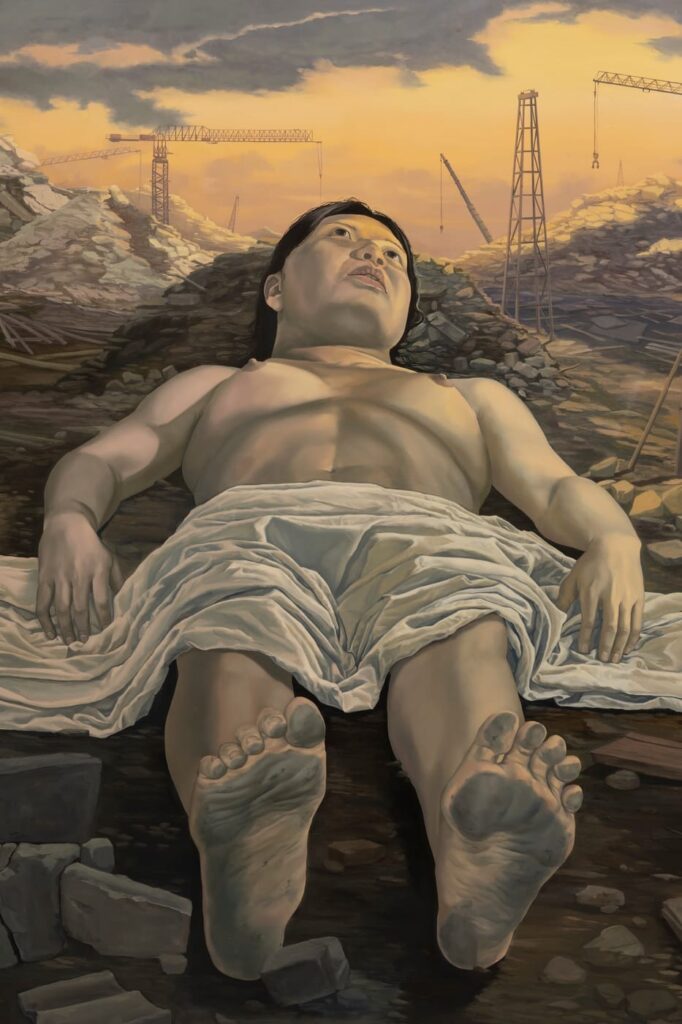
Photo: Mega Art Press Service
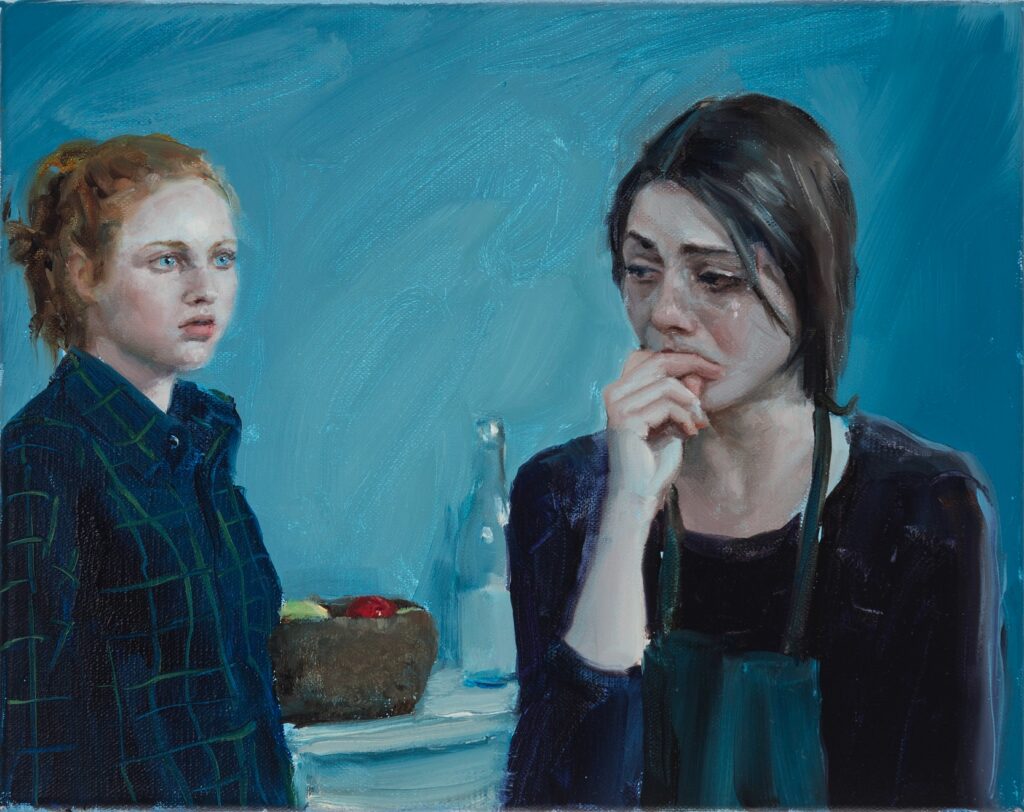
Photo: Mega Art Press Service
Beyond the white cube
You have described MEGA as a “dynamic platform” rather than a traditional fair. What makes your format different?
Unlike the conventional booth-based model, MEGA prioritizes context over segmentation. Traditional fairs often operate through clearly defined commercial units that can inadvertently reinforce separation and hierarchy. While effective, this structure can limit dialogue and discovery. MEGA, by contrast, adopts a more fluid and exhibition-driven format. Galleries are integrated into a curated environment designed to encourage interaction, exploration, and meaningful encounters. Our hybrid model blends the rigor of an exhibition with the vitality of a marketplace, fostering conversations between galleries, collectors, curators, and new audiences. The goal is not merely to facilitate transactions, but to create an atmosphere where relationships, ideas, and opportunities can flourish.
Your program this year includes a Supper Club where the menu explores ingredients as if they were notes of a perfume. Why is it important for you to engage visitors beyond just the visual experience?
Because art is never purely visual. The Supper Club expands the experience into the sensory realm, engaging taste, smell, and atmosphere. Conceived as The Perfume Table, the project explores ingredients as olfactory notes, echoing the history of the former perfume factory. The creative concept is developed by 926.1, whose vision transforms dining into an immersive artistic experience. By activating multiple senses, we encourage visitors to engage with art in a more intimate and memorable way, turning the fair into a place where people linger, connect, and return.
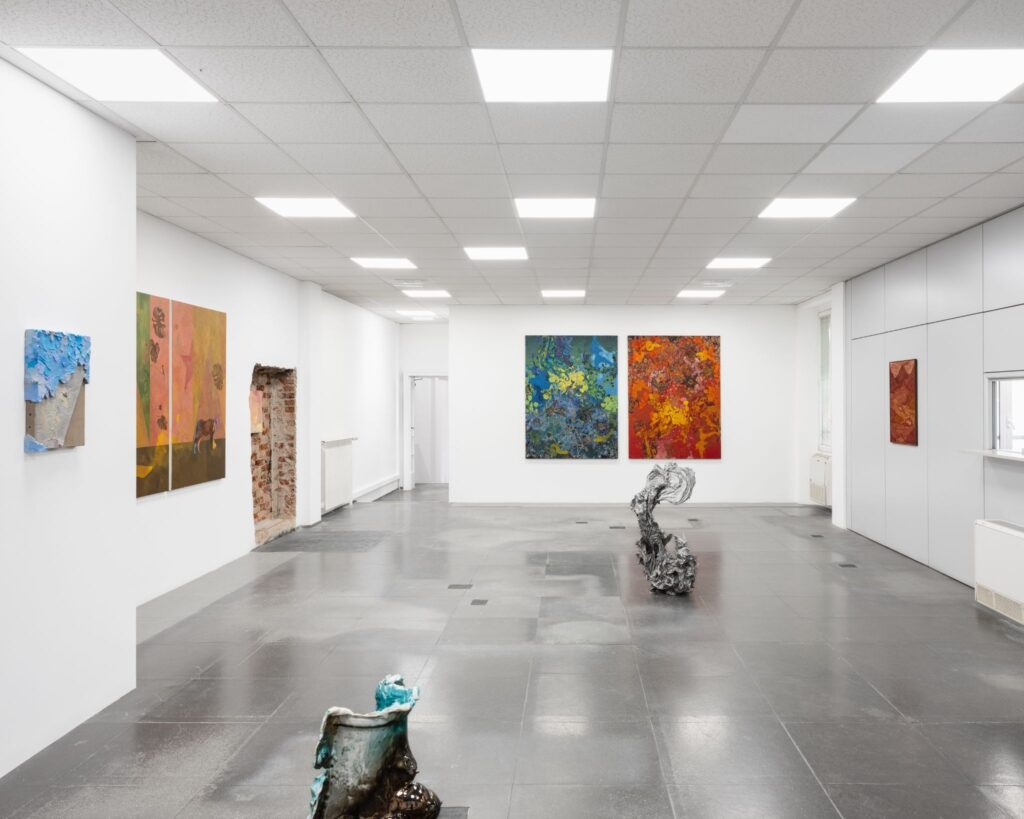
Photo: Mega Art Press Service
To close
You have been an art advisor for years, working with major collectors and brands. How do you implement your personal experience into the fair?
My work with collectors, institutions, and brands has taught me that the art world is fundamentally relational. I bring this perspective to MEGA, balancing curatorial ambition with market awareness and creating an environment rooted in trust, dialogue, and opportunity.
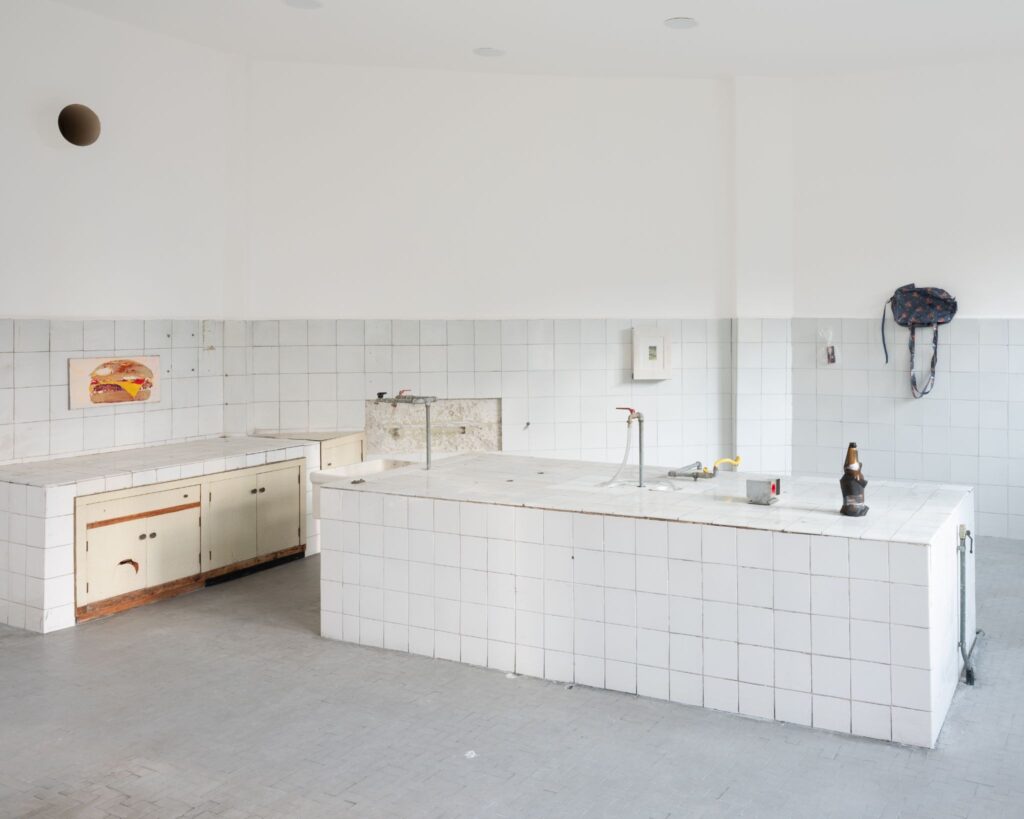
Photo: Mega Art Press Service
Three editions in, what has surprised you most about what MEGA has become?
How quickly it has developed a distinct identity while remaining flexible. Equally surprising is the strong sense of community that has formed around it—something both rare and invaluable in today’s art world.
If you could only keep one thing about MEGA exactly as it is and change everything else, what would you keep?
Its spirit. The ability to create meaningful connections between people, disciplines, and ideas. Everything else can evolve, but that ethos—captured in our motto, Make it more. Make it MEGA.—remains essential.