


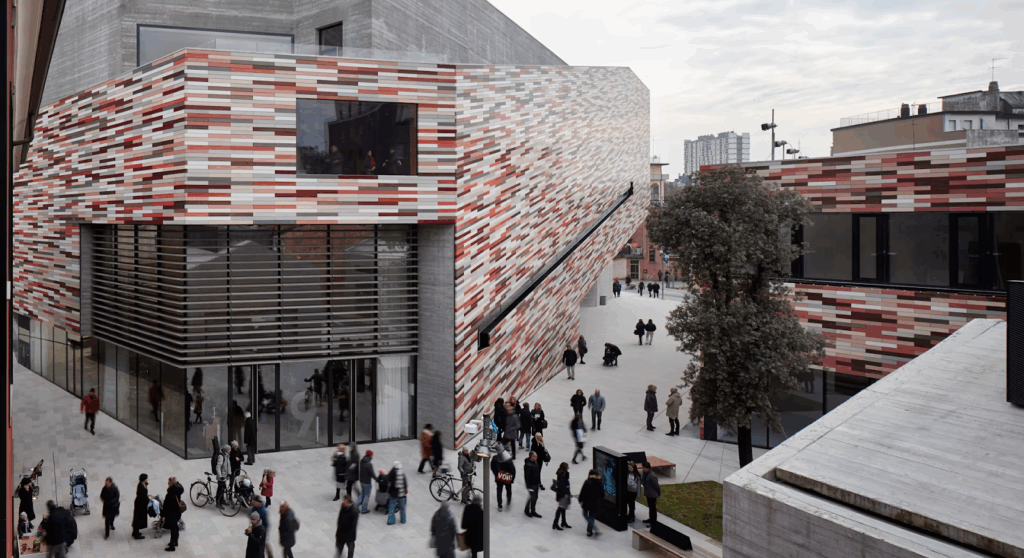
The contrast between the modern M9 Museum in Mestre—the mainland part of Venice—and the socio-economic problems of the surrounding neighborhood emphasizes the gap between the city’s cultural achievements and the real life of local residents.
M9 has become a landmark and a symbol of progress, emerging from neglect and impoverishment and offering a new way to perceive art in this context. This article considers how the M9 project aims to rethink urban identity, using art as a tool for social change. The contrast between the futuristic museum building and its decayed surroundings raises important questions: can culture become a driver of urban rehabilitation, and is one museum enough to breathe life into a forgotten area?
Mestre: Then and Now
Mestre is a vast district on the Venetian mainland, serving as an important transport and residential hub. In the 20th century—especially after World War II—there was an urgent need to “relieve” the island part of Venice, which couldn’t expand physically. Originally an industrial, working-class suburb housing those servicing local industry and port, Mestre’s appearance—particularly in its more remote areas—evokes a sense of decline and abandonment. Instead of Italy’s typical dolce vita, one might encounter buildings with broken windows, graffiti-covered facades, many migrants, and street hawkers—making it a stark example of a neglected district overshadowed by the more affluent and alluring parts of Venice.
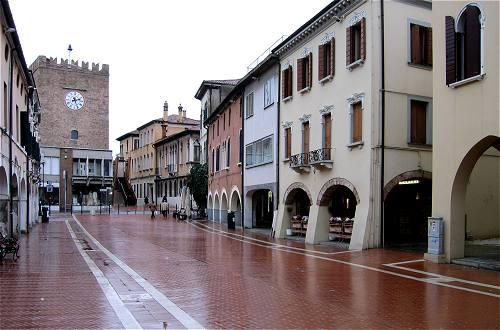
Yet in recent years, change has started to take shape. Authorities have embarked on a transformation of Mestre, reshaping the district’s identity through cultural investment. One of the key symbols of this change is the museum.
The Museum as a Catalyst for Change
Initiated by the Fondazione di Venezia—a private foundation closely connected with the Bank of Venice—the M9 project was never intended to be just “another museum.” Instead, it was envisioned as a reboot of urban identity. A call for architectural proposals was launched in 2010, and the German firm Sauerbruch Hutton—renowned for its ecological and innovative designs—won the commission. One of their standout works is Munich’s Brandhorst Museum, where they first used glazed ceramic as a façade material—merging aesthetic and ecological concerns.
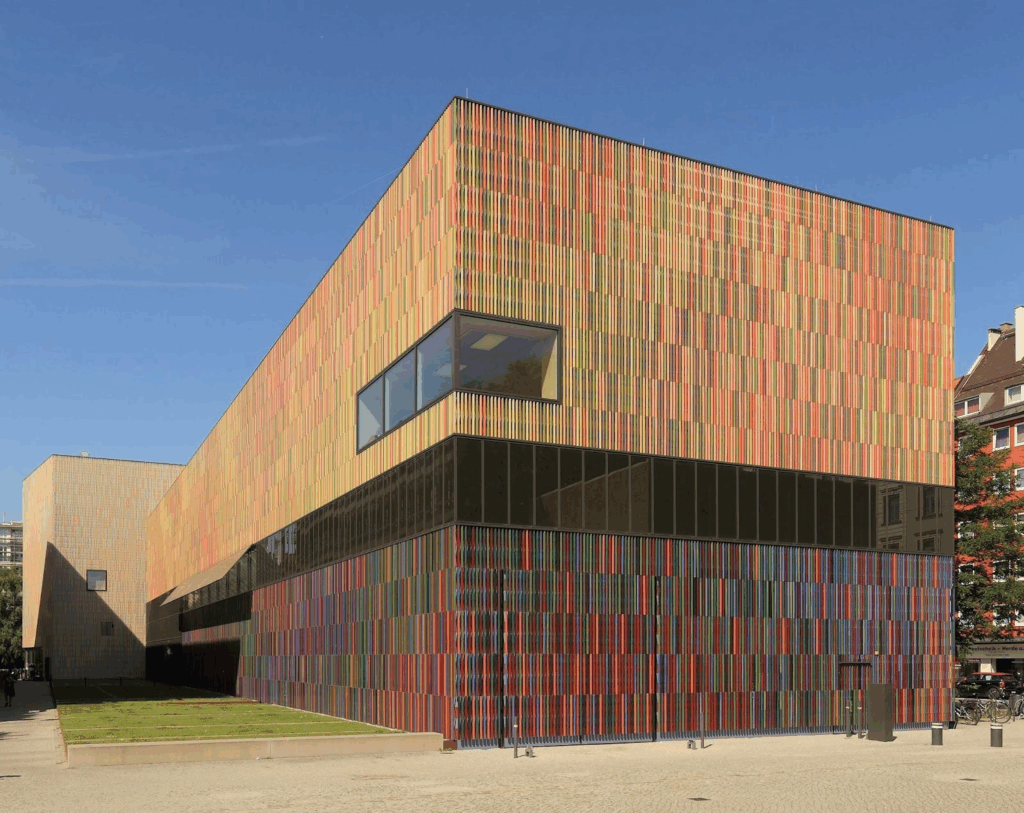
Photo: Martin Falbisoner
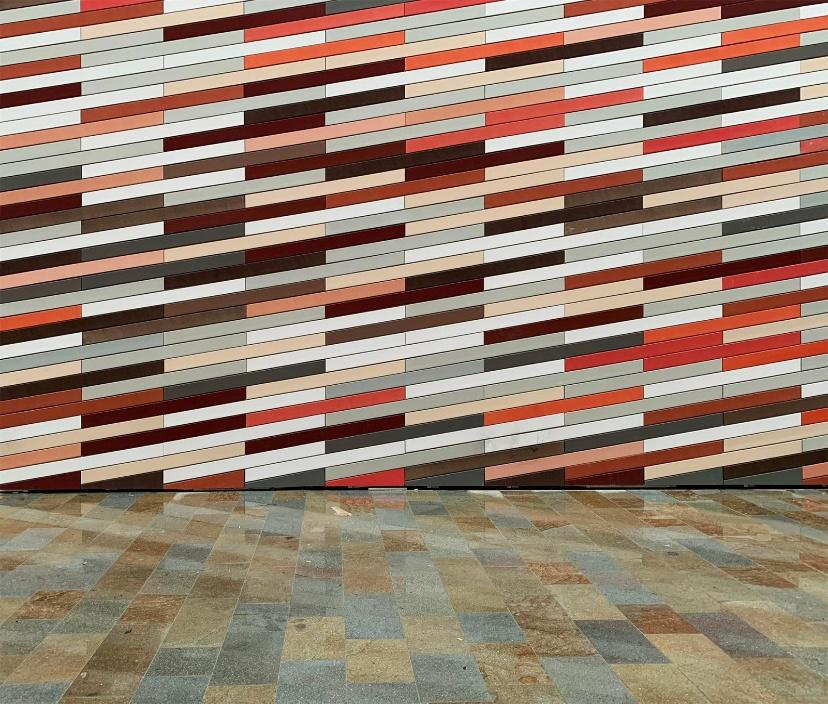
Photo: Ceramic Architectures
This same approach shaped the design of M9: like the Brandhorst, its façade is clad in glazed ceramic, giving the building a distinctive visual style that reflects the firm’s innovative architectural ethos. The architects aimed to realize the concept of “public space becoming cultural space,” designing not only exhibition areas but also places for community gathering and interaction. When it opened in 2018, M9 transformed the image of the entire district and became a catalyst for change.
A Striking Contrast
On the one hand, the museum serves as a kind of “restart” for the area. Entering M9, one is immediately met with a sense of grandeur and modernity; inside, the spaciousness and scale are palpable. The museum hosts both permanent and temporary exhibitions—the permanent exhibition covers Italy’s 20th-century history, a century that shaped the country as we know it today. It is the first museum in Italy where history is presented not through artifacts, but through digital technologies, multimedia, and interactive experiences.
As the museum’s former director Marco Bishone put it: “The goal of the museum is to hold at least two temporary exhibitions per year, on topics beyond 20th-century Italy and of broad public interest.” One such temporary exhibition is currently running: “Arte Salvata” (“Saved Art”) from the MuMa museum in Le Havre, France—featuring works by Monet, Sisley, Gauguin, and others that survived World War II. These paintings survived bombings—just as the museum itself is striving to survive and inspire in its own precarious context.
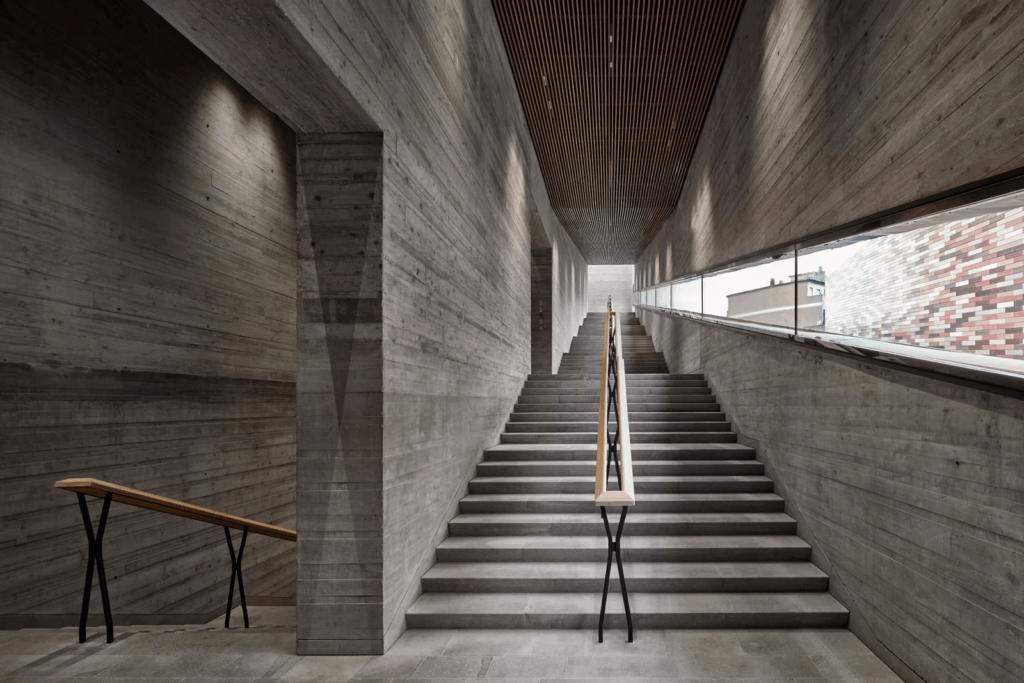
Photo: Arte Magazine
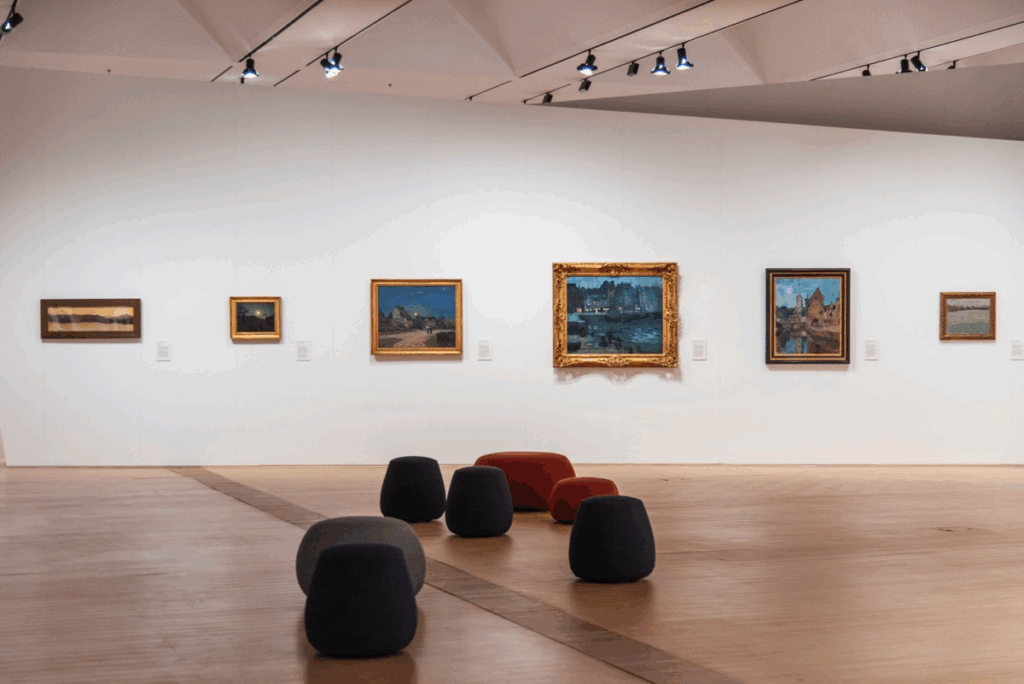
Photo: Alessandra Chemolo, Polymnia Venezia
Just a few blocks away, however, the environment shifts: the mood grows bleak and uninviting. Behind M9’s façade lies the same old Mestre, with dirty sidewalks, migrants, and children playing near bins—making the museum not just integrated into the environment, but sharply standing out from it. The contrast is so striking that one could say: that is the essence of the museum.
M9 is More Than a Museum
The architects’ task was to revitalize and reimagine an industrial urban space into a cultural place. But can a single museum change the fate of an entire district? Or will it remain a shining shard in a place that still smells of poverty and decay?
M9 stands in its corner of Mestre like an ungainly giant. It can certainly be inspiring and catalyze further initiatives, but its intended influence may remain just an idea, unable to grow into something truly significant. M9 has become a symbol of how art and culture can exist under paradoxical conditions.
Its construction was not a one-off attempt, but an important step in a longer process. Real social transformation cannot be reduced simply to the physical presence of a new cultural venue—it requires active work with the local community, such as educational and social programs aimed at the long term. Programs that allow residents to look at Italy’s history and art through a new lens.
After all, art and culture are not just about creating and preserving objects—they are about an ongoing dialogue with those who live and work nearby, for whom they can become a source of meaning and unity. Perhaps, in time, M9 will become exactly that kind of place—not just a space for art, but a space for life.