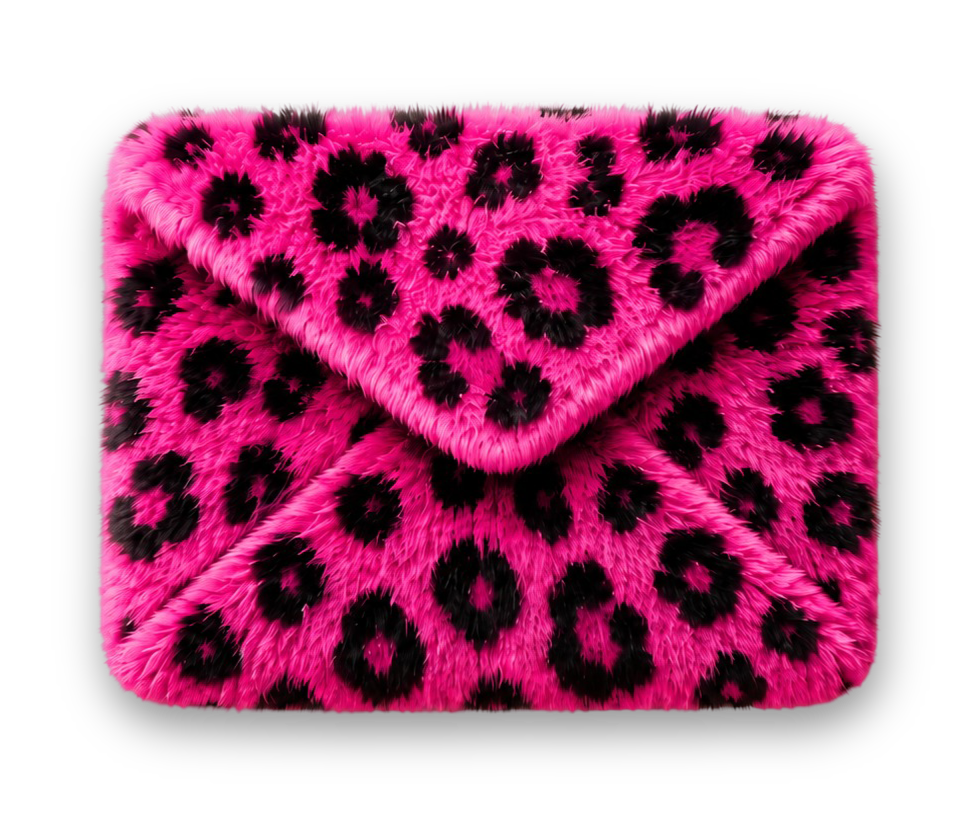


Veronika Khachaturian and Natalia Kungurova approach abstraction from opposite ends of Wilhelm Worringer’s famous spectrum. In “Abstraction and Empathy” Worringer argued that artists oscillate between a will to identify with the world and a will to withdraw from it. A century later, the tension remains, though “nature” has largely been replaced by the overload of mediated images that shape post-modern perception.
Khachaturian’s cycle “How I Learned to Stop Worrying and Dropped the Bomb” clings to objects with almost desperate clarity. Breakfast plates, a pint of Guinness, a wedding cake sliding across green baize. Each prop is painted with the crispness of a storyboard still. The humour is Kubrickian: the more emphatically the objects are rendered, the harder the viewer feels the moment they tip into cosmic disaster. The last canvas, left blank after the titular bomb is dropped, snaps the chain of empathy. What began as a catalogue of slapstick mishaps ends as metaphysical void. Khachaturian weaponizes Worringer’s “empathy” only to reveal, in the unfinished white, the underlying dread that demanded those objects in the first place.
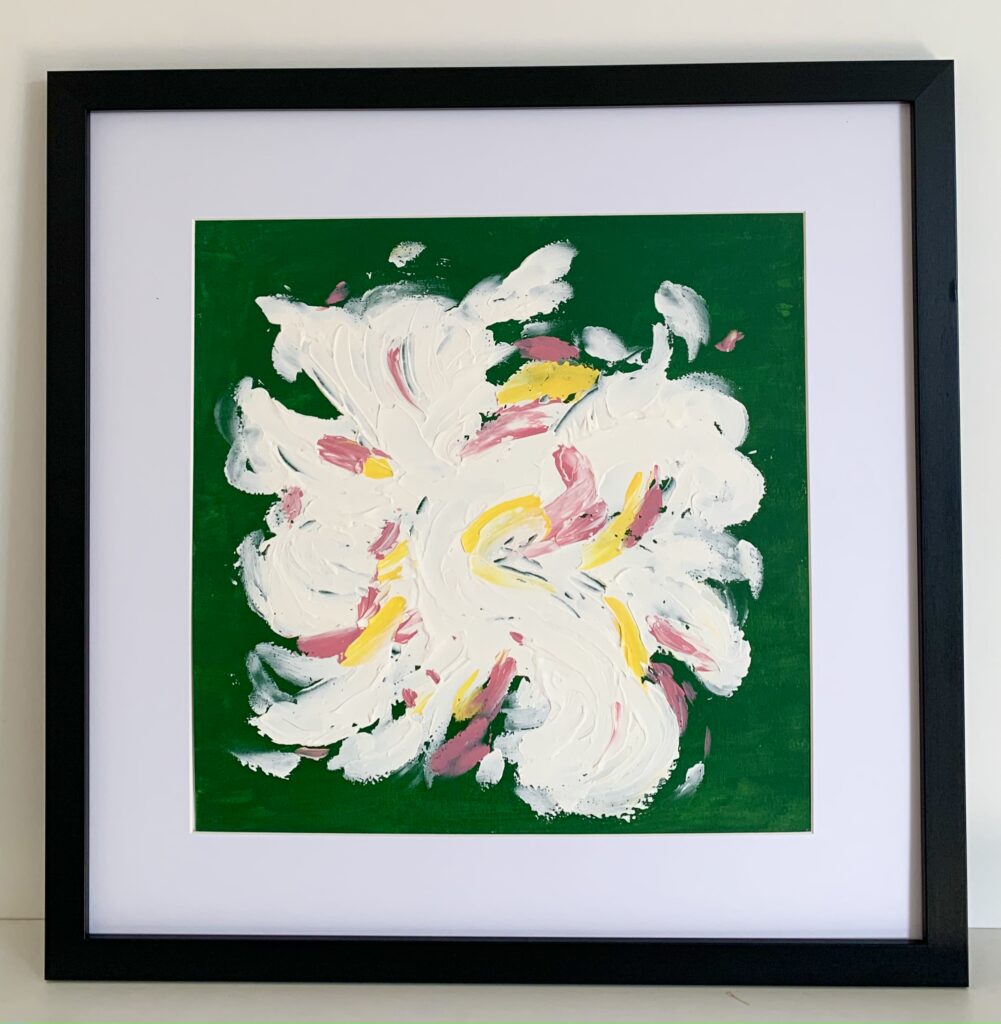
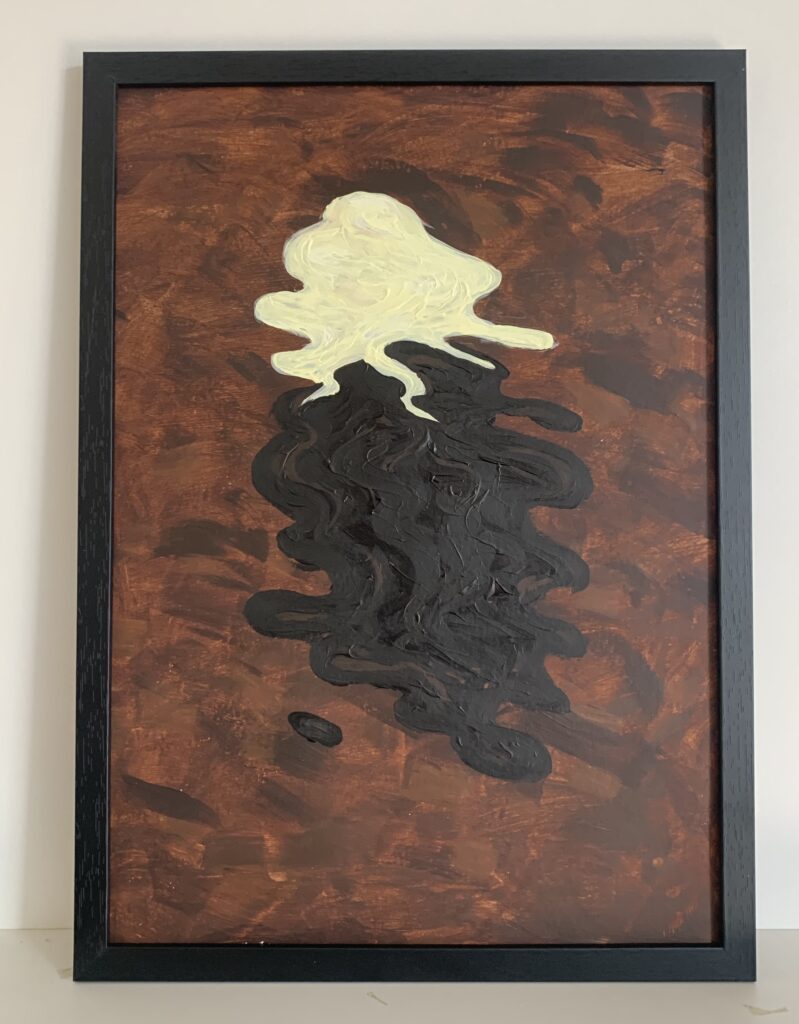
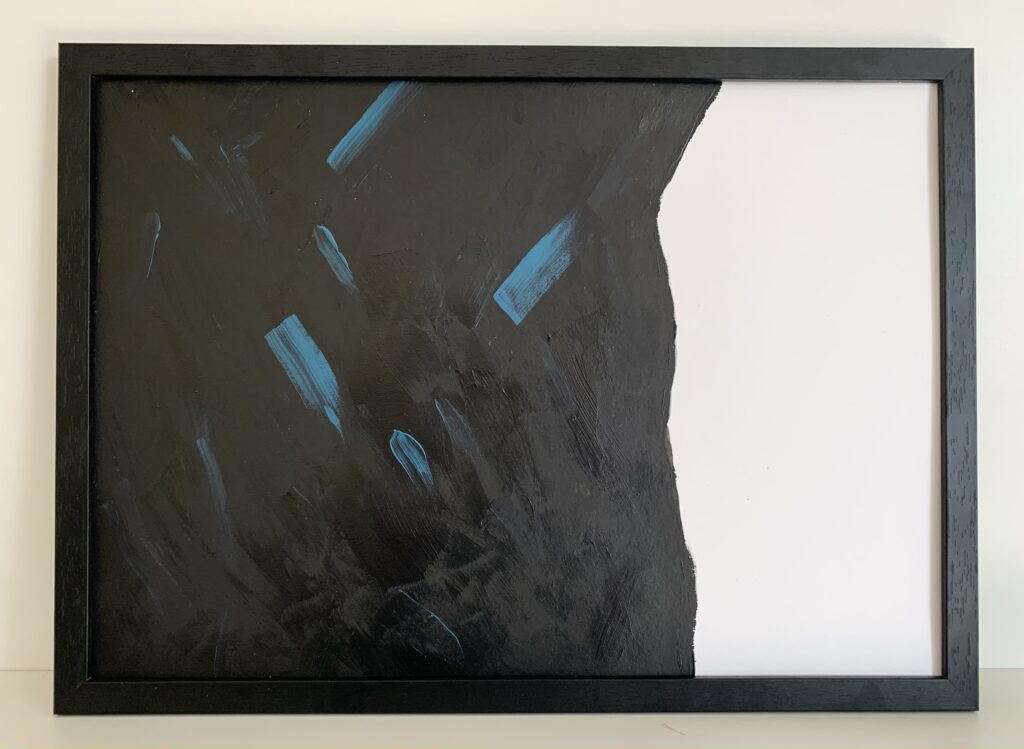
Kungurova responds by dissolving the object altogether. Her poured-paint fields, that are seen in triptych Confluence/Deformation/Unrealisable let colour behave like weather, drifting, coagulating, splitting into capillary webs. Kungurova’s goal is less archival than atmospheric: she turns abstraction into an expanded sensorium where viewers read bruises, tides and dawns in the same sweep of pigment. If Khachaturian freezes catastrophe into punch-line objects, Kungurova lets catastrophe be reabsorbed into elemental flux. Where Worringer saw abstraction as a defensive geometry, Kungurova treats it as a liquid commons: open, resilient, subtly optimistic.
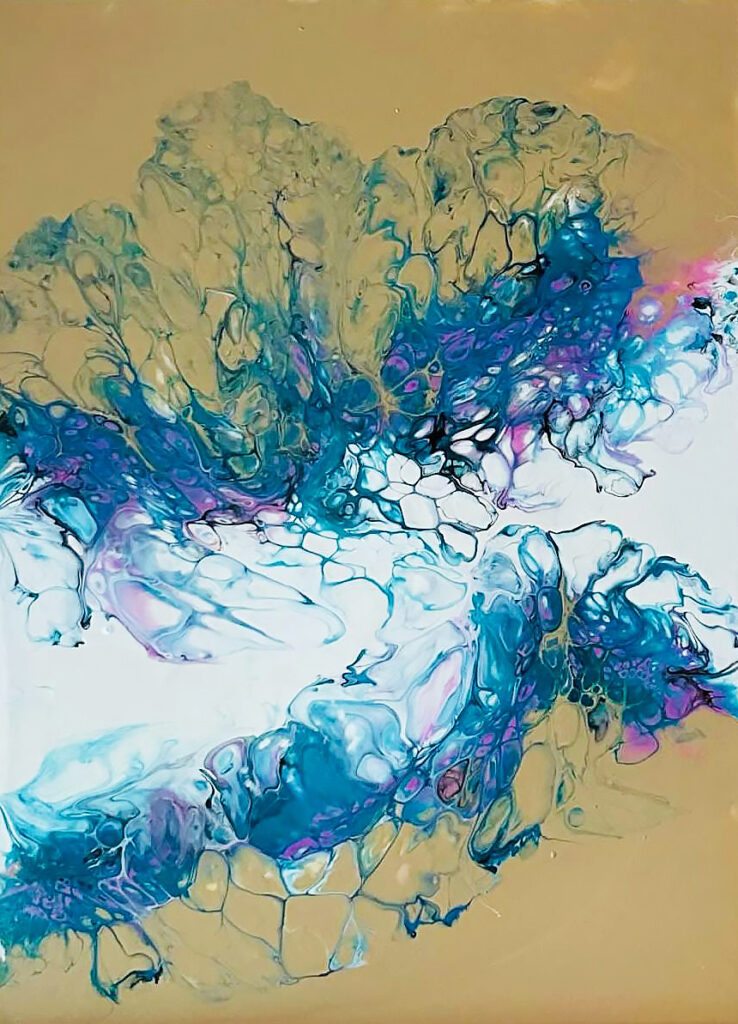
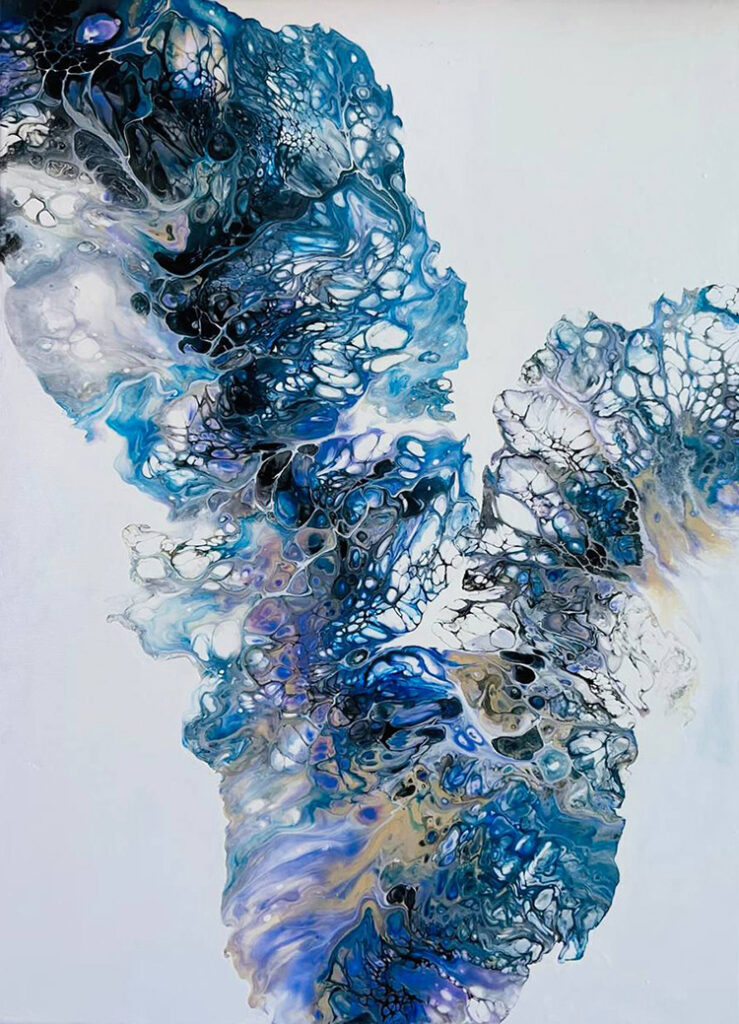
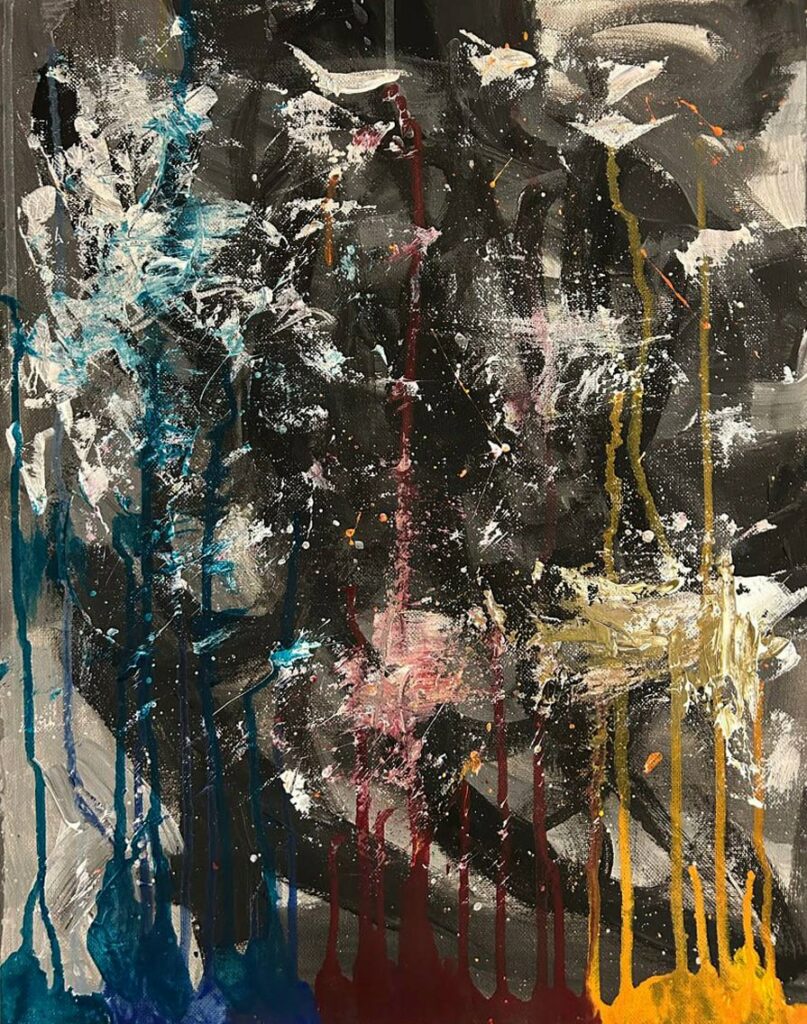
Both artists testify that post-modern abstraction no longer negotiates with “nature” but with streams of association themselves. Khachaturian nails those streams to concrete nouns until the surface cracks, while Kungurova lets them run until nouns evaporate into pure verb. Between them they keep Worringer’s fork alive, translating its early-twentieth-century anxiety into twenty-first-century image fatigue. In their hands, abstraction is more of a style, but the attempt to hold on to an object more tightly or allow it to melt away screams that we are trying to live with the splashes of the past.
Text: Anna Azens, art historian.